
In Time of War
The Cross and the Crown

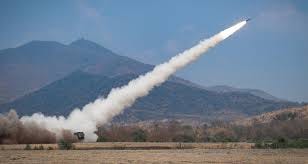
Recently, I have used the phrase “Cross and Crown” the way it was understood in my youth. Back then, the Cross referred to Jesus’ past act of dying for our sins, and the Crown pointed to the future hope of being crowned as co-heirs with Christ in the Kingdom of God.
Today I want to use the same phrase but apply the more common meaning of the term Crown as the seat of power—government, country, authority, or empire.
Christians are citizens of two kingdoms—one earthly and one heavenly. Country, government, and empire represent the earthly kingdom, or the Crown. Church, faith, and Jesus represent the heavenly kingdom, or the Cross.
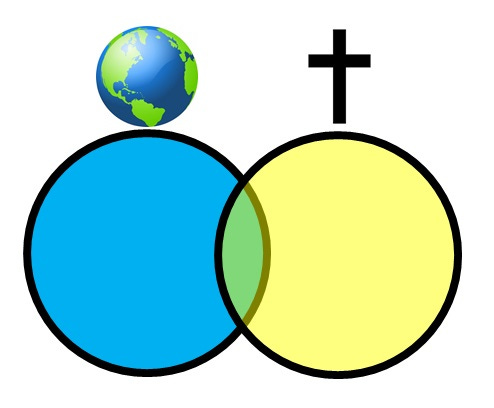
Dual Citizenship in the kingdoms of the Cross and the Crown creates a real and ongoing tension, one that is pulled especially taut in times of conflict and war.
This is the tension in which we find ourselves today.
The Christian tradition recognizes that war may sometimes be necessary in a fallen world, yet it is never something to celebrate. One thing on which all followers of Christ should agree is that:
War is not good news.
Even when force is used with just intentions or to restrain greater harm, war still brings loss, ruptured families, and the destruction of people made in God's image — realities that call for grief rather than triumph.
The Christian tradition has long insisted that war, at best, is a tragic necessity in a fallen world. Thinkers like Augustine and Aquinas framed Just War principles not as endorsements of violence but as restraints meant to limit suffering and protect the vulnerable.
Just cause.
Last resort.
Right intention.
Proportionality.
Protection of noncombatants.
These were not rallying cries. They were brakes.
The danger for Christians — especially in a politically charged age — is not merely supporting an unjust war. The greater danger is celebrating war as though it were a sign of righteousness.
It is possible to affirm that governments bear responsibility for national defense and still say: War is tragic.
It is possible to believe force may sometimes be necessary and still refuse to cheer it.
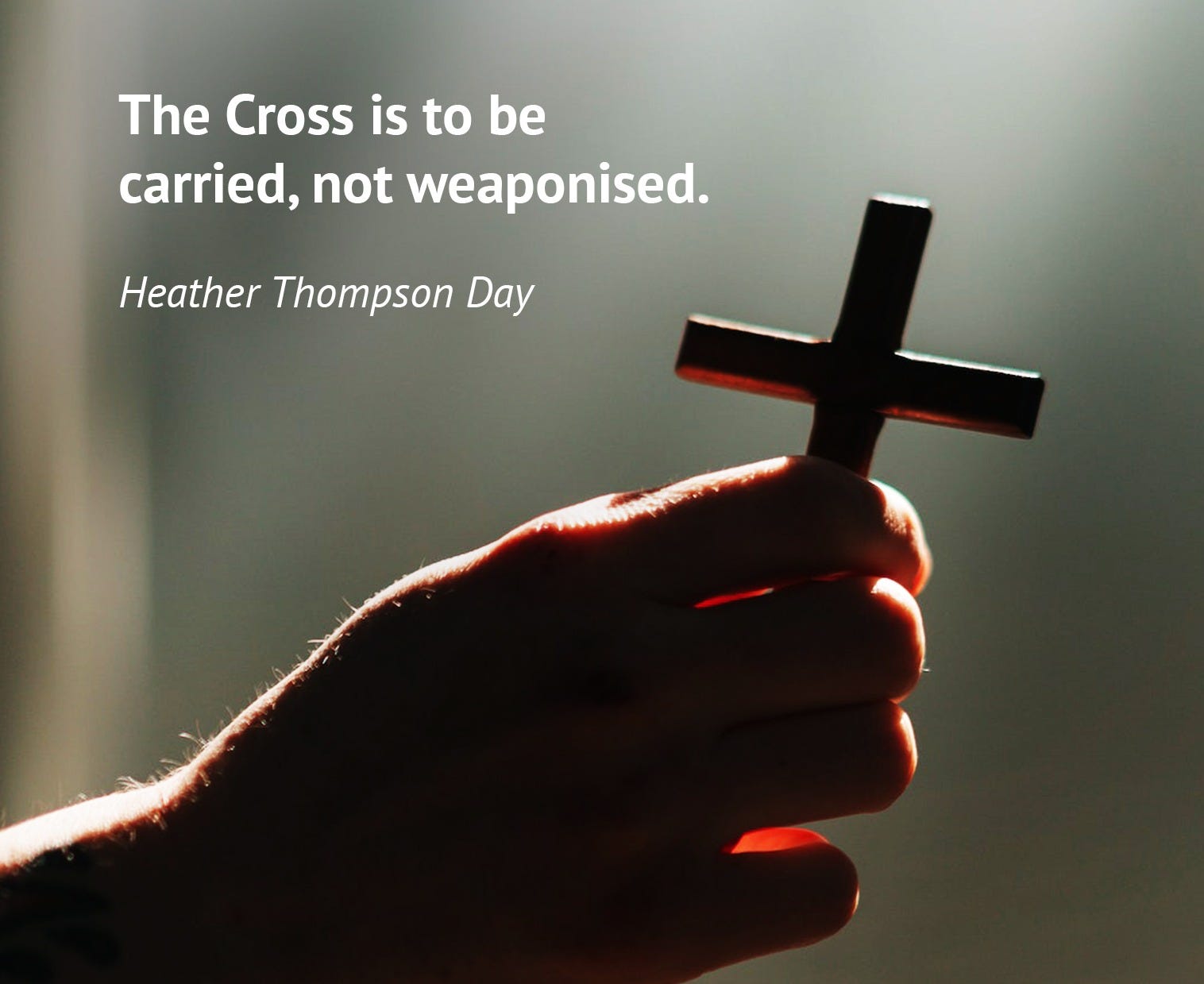
If war feels like a triumph to the Church, we have forgotten the shape of the Cross.
The Cross does not make us naïve about evil. It does not deny that regimes can be dangerous. It does not require governments to abandon their duty to protect.
But it does form our posture.
It reminds us that every bomb falls near someone’s home.
That every casualty is someone’s son or daughter.
That even our enemies are not abstractions but human beings that Jesus told us to pray for.
Christians may conclude that a particular use of force is justified. But our decision should be arrived at out of profound sorrow, which cries out for God’s mercy and His wisdom. We should arrive at that conclusion slowly, soberly, and with trembling — not with chest-thumping or social media applause.
Between Cross and Crown, there is a tension we must learn to hold.
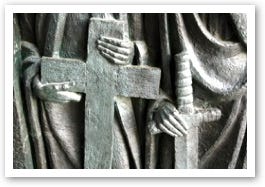
The Crown may wield the sword.
The Cross never does.
And so when the sword is unsheathed, the Church’s first instinct should not be celebration.
It should be prayer.
It should be lament.
It should be the sober recognition that something in our world is deeply broken.
War may at times be necessary. In which case Christians should pray for protection of the innocent, for restraint by soldiers, civilians, leaders, and for ourselves, that we might remain people of the Cross even in a world of swords.
War is never cause for rejoicing.
A Prayer for People of the Cross and Crown
Lord of mercy and justice,
we confess how easily our hearts are stirred by strength
and how slowly they are stirred by sorrow.Guard us from confusing power with righteousness.
Protect those in harm’s way — soldier and civilian alike.
Restrain violence where it can be restrained.
Grant wisdom to leaders who bear terrible responsibility.And form Your Church in the likeness of Christ,
that even in a world of swords
we may remain people of the Cross.Amen.
As one who served a military chaplain who saw conflicts up close I can say, amen. The tension is real when seen up close. It’s easy to feel a euphoria when war erupts but it is hard to face the reality when you see others in the image of God. Thank you for this thoughtful piece.